What «Official» Actually Means (and What It Doesn't)
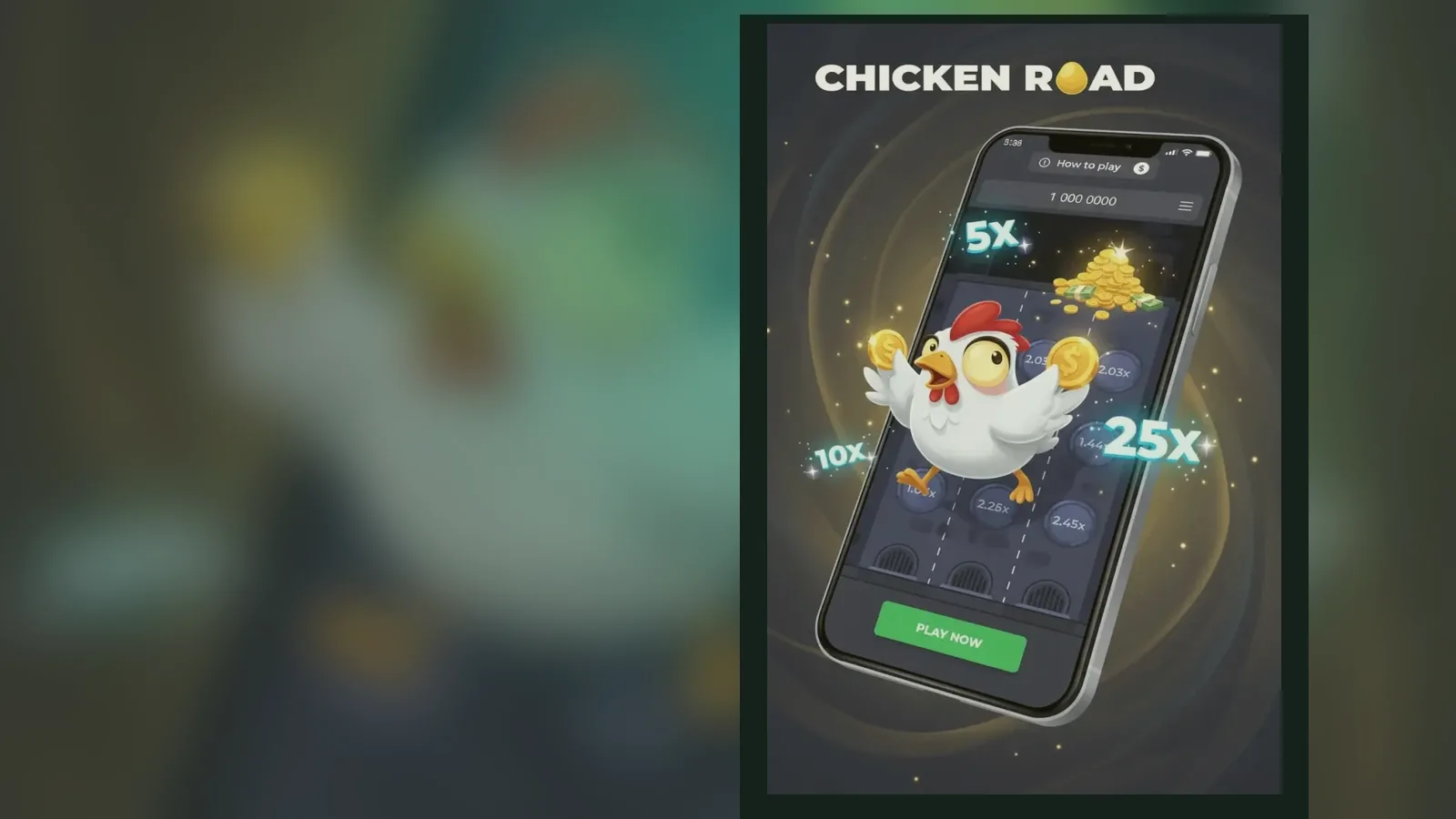
A player messaged support last month asking why the «official Chicken Road 2 site» wouldn't accept his credit card. The site wasn't official—it wasn't even licensed in the UK. He'd Googled the game name, clicked the first ad, and assumed the rest.
There is no single official website for Chicken Road 2. The game is built by a provider, then licensed to dozens of casino operators. Each operator holds its own UKGC remote licence, runs its own KYC, and sets its own bonus terms. What makes a site «official» is the regulator's stamp, not a domain name. This page walks you through the checks that matter, the questions support hears most often, and the red flags that separate a licensed operator from a clone.
One Game, Many Licensed Homes
Chicken Road 2 is a crash-style slot from a studio that supplies multiple casino brands. The provider writes the maths, builds the RNG, and certifies the game with a testing lab. Then the game is distributed: operators with UKGC licences add it to their lobbies, wrap it in their own payment rails, and take responsibility for UK compliance.
That means you'll find Chicken Road 2 on several sites, each with a different bonus structure, withdrawal speed, and support team. The game logic—RTP, volatility, max win—stays identical. What changes is everything around it: the operator's licence number, its GAMSTOP integration, and whether it caps your stake at £5 or £2 depending on your age.
- The provider creates the game and certifies it.
- Licensed operators host it and handle player accounts.
- The UKGC regulates the operator, not the game studio directly.
- You verify the operator's licence, not the game's origin.
How to Check a Licence in 60 Seconds
Every legitimate operator serving British players must display a UK Gambling Commission licence number in the site footer. That number links to a public register entry. Here's the one-minute walkthrough:
- Scroll to the bottom of the casino homepage. Look for a line that reads «licensed by the UK Gambling Commission» and a reference number—usually five digits followed by -R- and three more.
- Open a new tab and go to the UKGC public register search.
- Enter the licence number. The register will return the operator's legal name, licence status, and any enforcement history.
- Check the status: it should say «Active». If it's suspended or revoked, do not deposit.
- Match the legal name on the register to the name in the site's terms and conditions. They should align.
If the footer has no licence number, or the number doesn't appear in the register, the site is unlicensed. That puts you outside UK consumer protections: no GAMSTOP coverage, no ombudsman route if a dispute arises, and no guarantee the RNG hasn't been tampered with.
Logging In: What the Account Needs
Before you can deposit or play for real money, the operator will ask for proof of age and identity. This is KYC—know your customer—and it's a UKGC rule, not a site quirk. Expect to upload a photo of your driving licence or passport and, sometimes, a recent utility bill or bank statement showing your address.
Most sites verify your age within a few hours. Once cleared, you can fund your account with a debit card (Visa or Mastercard), PayPal, Apple Pay, Open Banking via Trustly, or a paysafecard voucher. Credit cards have been banned for gambling in the UK since April 2020, and the payment method must be registered in your own name—no third-party cards.
The first withdrawal always takes longer because the operator will request additional documents—often a selfie holding your ID, or a bank statement proving ownership of the account you're withdrawing to. Budget 24 to 48 hours for that initial check. Subsequent payouts are faster, especially if you use an e-wallet.
One more thing: operators now run affordability checks from the point you deposit £150 net in a month. The first stage pulls soft data from credit-reference agencies; if that flags a concern, they'll ask for payslips or bank statements. It's intrusive, but it's the law—designed to catch problem gambling before it spirals.
Is There an Official App?
Chicken Road 2 usually runs in a mobile browser or as a progressive web app—tap «Add to Home Screen» and it behaves like a native app without taking up storage. Some casino operators do offer standalone apps on Google Play or the App Store, but the game itself doesn't have a single official app published by the studio.
If you see an APK download link for a «Chicken Road 2 official app» on a site that isn't a recognised casino, treat it as a red flag. Sideloading an APK bypasses the store's malware checks, and clones often bundle spyware or rigged RNGs. Stick to the operator's verified app or the web version.
- Licensed operators may publish a casino app that includes Chicken Road 2 alongside other games.
- The game studio itself doesn't distribute a standalone app for real-money play.
- Google Play and the App Store both permit UK gambling apps from UKGC-licensed operators.
- Avoid third-party APKs—no legitimate operator asks you to download from outside the official stores.
When Something Goes Wrong
Disputes happen: a withdrawal is delayed beyond the stated timeframe, a bonus doesn't credit, or you think the RNG behaved unfairly. Start with the operator's complaints procedure—every UKGC licensee must publish one in its terms. Email or live-chat support, reference your account ID and transaction history, and keep a paper trail.
If the operator's response isn't satisfactory, escalate to an alternative dispute resolution service. UKGC licensees are required to belong to an ADR scheme; the name and contact details will be in the footer or help section. The ADR will mediate at no cost to you, and its decision is binding on the operator.
If you believe the operator breached its licence conditions—failed KYC, accepted underage players, or didn't honour GAMSTOP—you can report it to the UK Gambling Commission directly. The UKGC won't intervene in individual disputes, but it will investigate systemic failures.
For gambling-harm support, GAMSTOP is the national self-exclusion register: one sign-up blocks every UKGC-licensed site for six months to five years. BeGambleAware offers free, confidential advice. Both are linked in every operator's safer-gambling section, and mentioning GAMSTOP to support will trigger an immediate account block.
| Issue | First step | Escalation |
|---|---|---|
| Withdrawal delay | Operator's live chat or email | ADR service named in terms |
| Bonus dispute | Support with transaction ID | ADR service |
| KYC or age-gate failure | Report to UKGC | — |
| Gambling harm | GAMSTOP or BeGambleAware | — |
Red Flags and What «Official» Doesn't Guarantee
A UKGC licence confirms the operator meets minimum standards: fair RNG, segregated player funds, responsible-gambling tools, and a complaints process. It doesn't mean every session will feel fair—crash games are high-volatility by design, and losing streaks are part of the maths. It doesn't mean instant payouts; KYC and affordability checks can stretch to days. And it doesn't mean generous terms: wagering requirements of 40× to 65× are normal, and capping your first withdrawal at £100 after a bonus is legal.
Here's what should make you close the tab:
- No UKGC licence number in the footer, or a number that doesn't match the register.
- The site accepts credit cards for gambling—banned in the UK since 2020.
- No mention of GAMSTOP, or claims you can bypass it.
- Promises of guaranteed wins, «RNG hacks», or «official strategies»—the outcome is random, full stop.
- A domain that closely mimics a known brand but with a different TLD or one extra letter.
- APK downloads for real-money play from outside Google Play or the App Store.
- Support that can't provide an ADR name or dodges your KYC questions.
Even on a licensed site, check the small print. Stake caps are £5 per spin for most players, dropping to £2 if you're between 18 and 24. Some operators impose lower limits during your first month or if affordability checks flag a concern. Faster Payments withdrawals are usually same-day to two working days, but the first payout will take longer because of document verification.
Official doesn't mean risk-free. The house edge is baked into the RTP, wagering rules favour the operator, and volatility means long dry spells. What official does mean is regulatory oversight, dispute resolution, and the legal right to self-exclude across every licensed site with one GAMSTOP registration.
FAQ
Can I play Chicken Road 2 for free to test it first?
Most UKGC-licensed sites offer demo play once you've logged in and passed the age check—you'll see a «Play for Fun» or «Demo» button next to the real-money option. The demo uses the same RNG and paytable; only your stake and balance are virtual. A few operators restrict demo access to funded accounts, so you may need to deposit first, but you can withdraw that deposit without wagering if you decide not to play.
Why does the first withdrawal take so long?
The operator must verify your identity, payment method ownership, and sometimes your source of funds before releasing the first payout. This is a UKGC rule to prevent money laundering and underage gambling. You'll usually upload a photo of your ID, a bank statement, and occasionally a selfie holding your licence. Processing takes 24 to 48 hours. Once that initial check is complete, subsequent withdrawals to the same method are much faster—e-wallets often land within hours.
What happens if I hit the £150 deposit threshold?
From April 2025, operators must run affordability checks when your net deposits reach £150 in a calendar month. The first stage is a soft check using credit-reference data—if that raises no concerns, you can keep playing. If it does, the operator will ask for payslips, bank statements, or other proof that you can afford the losses. It feels invasive, but it's a legal safeguard. If you can't or won't provide the documents, the operator will cap your deposits or freeze your account until you do.