What the Original Version Changes for a UK Player
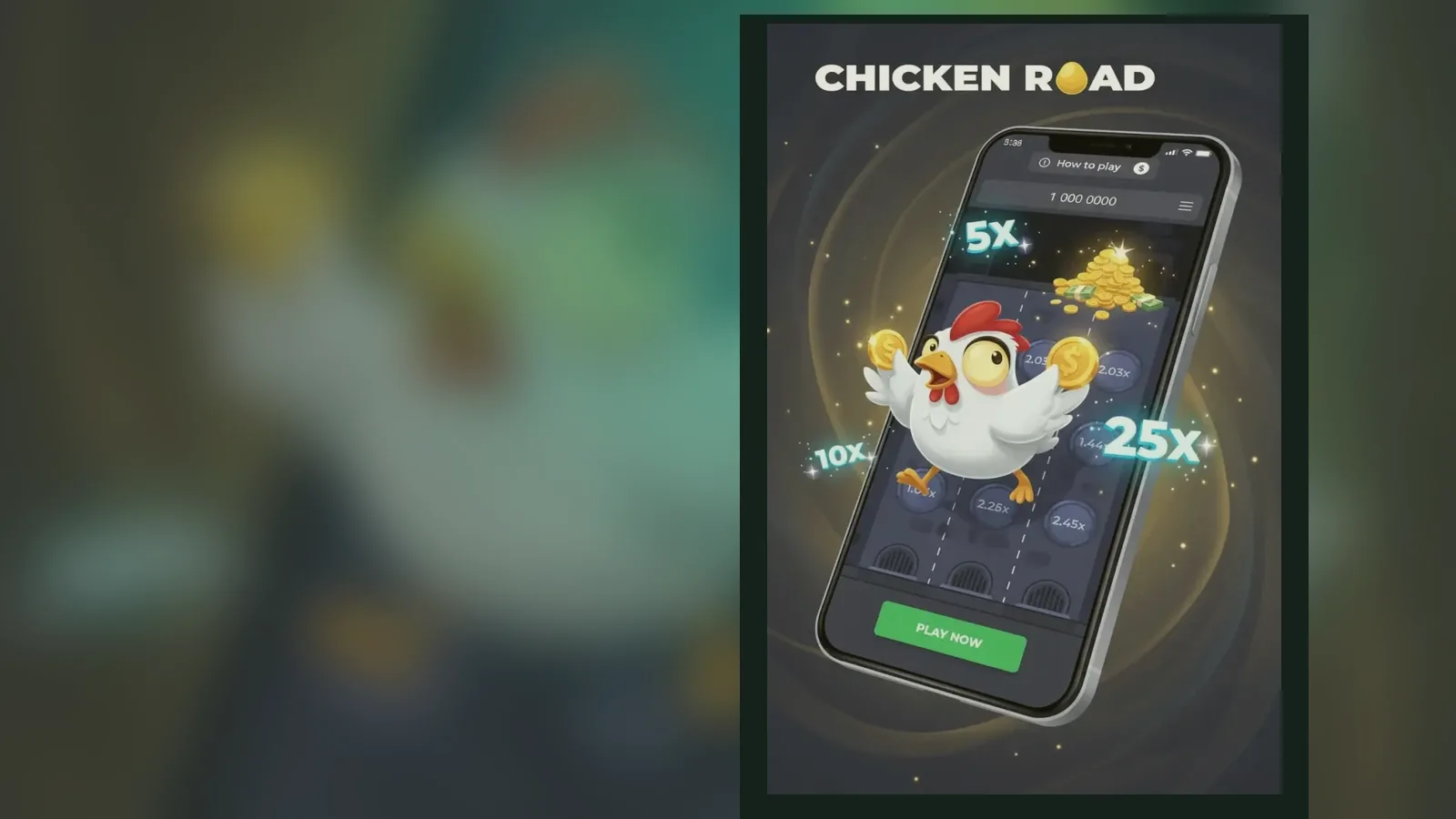
The original Chicken Road 2 pays up to 10,000× your stake, but a UK player never sees that multiplier on a £100 spin: the UKGC caps every slot and crash-game stake at £5 per round for adults, and £2 if you are 18–24. That ceiling shapes the session before you click a single tile.
This page walks through the original mechanics, the differences from knock-offs that circulate without a UKGC licence, and the checks that sit between you and the first withdrawal.
Who Built It and Where the Certificate Lives
Chicken Road 2 comes from a studio that publishes through aggregators licensed by the UK Gambling Commission. The game itself carries an eCOGRA or similar third-party fairness certificate, which confirms that the RNG has passed statistical distribution tests and that the advertised RTP matches the server config.
That certificate does not appear inside the game client; the operator's «Game Info» or «Fairness» page links to the studio's compliance documents. If the site you are on holds a valid UKGC remote gambling licence — check the footer for the number and match it in the Commission's public register — the game is the certified original. If the footer shows a Curaçao or Costa Rica registration instead, you are on an unlicensed clone, and UK advertising law prohibits the operator from serving you.
One Round from Your Seat
You choose a stake — anything from £0.10 to the cap that applies to your age bracket — and pick a difficulty: easy gives you a forgiving grid with more safe tiles, hard shrinks the safe zone and raises the top multiplier. The grid appears as a 5 × 5 board of face-down cards.
Click a tile. If it is safe, a multiplier ticks up and the tile flips to show a chicken token. Click another; the multiplier grows. One bomb ends the round and you lose the stake. Cash out before the bomb and you take the current multiplier times your original bet.
The outcome is decided by the server RNG the instant you confirm the stake. Every tile already holds a bomb or a safe symbol; your clicks reveal them in sequence, but the round result — win or loss — exists before the first flip. That server-side resolution is what the fairness certificate tests.
The Real Numbers from the Tech Sheet
High volatility means the 97% payback happens over millions of rounds; a single session can swing 50 losing spins before a 30× hit brings the balance back. If you pick hard mode, expect longer dry streaks and sharper jumps when a win lands.
How the UK Rules Change the Session
The £5 cap cuts the maximum single-round risk from hundreds of pounds to a fiver, no matter your bank balance. For players aged 18–24, the cap drops to £2. The operator's age-verification check — mandatory before you can deposit — determines which ceiling applies.
From March 2024, affordability checks kick in if you deposit £150 or more in net losses over a rolling 30 days. The first stage pulls soft credit-reference data; if that flags a risk, the operator asks for bank statements or payslips. Fail to provide them and your account moves to a lower deposit limit or gets frozen.
- Credit cards have been banned for gambling since April 2020; only debit cards, e-wallets, and Open Banking work.
- Every deposit and withdrawal must use a payment method in your own name; third-party cards trigger an instant block.
- GAMSTOP registration closes every UKGC-licensed site for six months to five years, depending on the term you choose.
Those checks add friction, but they also mean your deposit sits in a segregated client-funds account, separate from the operator's working capital. If the licence is real, your money is protected by the UKGC's licence conditions.
The Mechanics One by One
- Difficulty: easy, medium, hard. Easy mode scatters fewer bombs across the 25 tiles; hard mode plants more, shrinking the safe path and lifting the max multiplier.
- Multiplier ladder: each safe tile you flip adds a step. The increment is not linear; early tiles give small jumps, later tiles compound faster, but the bomb probability stays constant per remaining tile.
- Cash-out: you decide when to stop. The round does not auto-resolve after a set number of flips; you either hit a bomb or click «Collect».
- RNG resolution: the server assigns bomb positions the moment you confirm the stake. The fairness certificate proves that no tile changes after that point.
- Autoplay: available on most UKGC sites, but each round still counts against the per-spin stake cap. You can queue 10, 50, or 100 rounds at £2 or £5 each, but affordability checks track cumulative deposits, not individual spins.
Clones That Circulate and How They Differ
Unlicensed copies appear on offshore aggregators under names like «Chicken Run», «Mine Road», or «Bomb Dash». They mimic the 5 × 5 grid and cash-out button, but the RTP often drops to 94–95%, and the RNG holds no third-party certificate. Some clones let you stake £50 or £100 per round because they operate outside UKGC jurisdiction.
| Feature | Original (UKGC) | Typical Clone | |
|---|---|---|---|
| RTP | 97.00% | 94–95% | → |
| Max Stake | £5 (18+), £2 (18–24) | £10–£100 | → |
| RNG Certificate | eCOGRA / iTech | None or unverified | → |
| Licence Check | UKGC register | Curaçao / no UK licence | → |
| Player Protection | Segregated funds, GAMSTOP | None | → |
If the site you are on does not list a UKGC licence number in the footer, you are playing a clone, and UK law classes that as illegal gambling. Disputes go to the operator's home regulator — often Curaçao — which offers no practical recourse for a British player.
A Ten-Second Check That You Are on the Original
- Scroll to the footer and note the licence number; it should start with a five-digit reference.
- Open the UKGC public register, search the operator's legal name, and confirm the number matches.
- Click the game's info icon or «?» button; the RTP should read 97.00%, and a fairness-certificate logo should appear.
- Check the stake slider: if it lets you bet £10 or more per round, the site is not UKGC-compliant.
Where the Original Runs for a UK Player
Every major UKGC-licensed casino carries Chicken Road 2 if the aggregator deal includes the studio's portfolio. The game runs in-browser on desktop and mobile; no download or APK install is needed. Google Play and the App Store both allow real-money gambling apps from licensed operators, but most crash games load as web apps inside the operator's main app rather than as standalone titles.
Demo mode exists on many sites, but UKGC rules let operators restrict free play to logged-in, age-verified accounts. If you see a «Play Now» button but no «Demo» option, registration and ID checks come first.
Payment methods on UKGC sites: debit cards (Visa, Mastercard), PayPal, Apple Pay, Open Banking via Trustly, and paysafecard for deposits. Withdrawals go to e-wallets in a few hours, Faster Payments to your bank in the same day to two working days, or back to the debit card in one to three working days. The first withdrawal always takes longest — 24 to 48 hours is normal — because the operator runs KYC checks and asks for proof of ID and address.
Winnings are tax-free; you keep every pound. Operators pay 40% Remote Gaming Duty as of April 2026, but that does not touch your balance. Look for the GAMSTOP logo in the footer and the responsible-gambling links at the bottom of every page; both are licence requirements.
FAQ
Why does the game stop me at £5 per round when I want to stake more?
The UKGC caps every slot and crash-game spin at £5 for players aged 18 and over, and £2 for those aged 18–24. The operator's age-verification check sets which ceiling applies to your account. That limit exists in the licence conditions, not the game code, so no UKGC-licensed site can raise it.
Can I play the original in demo mode before I deposit?
Many UKGC sites offer demo play, but some restrict free mode to logged-in, age-verified accounts. If you see only a «Play Now» button, registration and ID checks come first. Demo winnings are not withdrawable; they reset when you close the session.
What happens if I lose £150 in a month?
Affordability checks start from £150 in net deposits over 30 days. The operator pulls soft credit data at the first stage; if that flags a concern, they ask for bank statements or payslips. Fail to provide them and your deposit limit drops or the account gets paused. The check is a UKGC licence condition, not optional.
How do I know the RNG is fair and not rigged against me?
The original Chicken Road 2 holds an eCOGRA or iTech Labs certificate, which tests the RNG's statistical distribution and confirms the server config matches the advertised RTP. The certificate link sits in the operator's fairness or game-info page. Clones on unlicensed sites carry no third-party audit, and UK law offers no protection if a dispute arises.